
Post-Workout Nutrition After Bariatric Surgery

Recovery Nutrition After Bariatric Surgery: The 3 Rs You Need to Know
Recovery nutrition is one of the most overlooked—but most powerful—tools for helping bariatric individuals reach their fitness and performance goals. You can train consistently, lift weights, run, cycle, or attend classes, but if you’re not fueling recovery properly, your progress will stall.
In this post, we’re diving into why recovery nutrition matters and breaking it down into the 3 Rs of Recovery: Refuel, Repair, and Rehydrate. I’ll also walk you through realistic meals and snacks that actually work for bariatric athletes.
Let’s get into it.
Why Recovery Nutrition Matters (Especially After Bariatric Surgery)
When you exercise, your body is placed under physical stress—this is not a bad thing! That stress is what drives adaptation, strength gains, and improved endurance. But adaptation only happens when you recover well.
Refueling Muscle Glycogen
During exercise, your body uses muscle glycogen, which is simply stored carbohydrate in your muscles. Once those stores are depleted, they must be replenished.
If you don’t refuel adequately:
- You’ll feel more fatigued in future workouts
- Performance will decline
- Risk of illness and injury increases
This becomes especially important for bariatric individuals who often follow lower-carbohydrate diets, making intentional refueling even more critical.
Supporting Muscle Repair and Growth
If strength training is part of your routine—or if muscle preservation is a goal—protein is non-negotiable.
Protein provides the amino acids needed to:
- Repair muscle damage
- Stimulate muscle protein synthesis
- Reduce prolonged soreness and swelling
Research also shows that when overall carbohydrate intake is lower (which is common after bariatric surgery), pairing protein with carbohydrates after exercise actually improves muscle glycogen replenishment, helping you recover faster from hard sessions.
Preventing Dehydration and Fatigue
Fluid and electrolyte replacement is another major piece of recovery. Bariatric athletes are at higher risk for dehydration because:
- Fluids must be separated from meals
- Sip volume may be limited
- Sweat losses are often not accounted for
Ignoring hydration during recovery can lead to fatigue, poor performance, and delayed recovery.
The 3 Rs of Recovery Nutrition
To simplify recovery nutrition, I teach my clients to focus on the 3 Rs:
1. Refuel (Carbohydrates)
Carbohydrates are the primary fuel used during exercise, and they need to be replaced.
Who needs to prioritize post-workout carbs most?
- High-intensity workouts
- Training more than once per day
- Less than 8 hours between sessions
- Tournament or competition settings
Bariatric guideline:
Aim for at least 30 grams of carbohydrate within the first 2 hours after exercise.
This can come from a meal or a snack—what matters most is getting it in.
Carbohydrate sources include:
- Fruit (banana, berries, apples)
- Starchy vegetables (sweet potato, corn)
- Whole grains (oats, quinoa, brown rice, whole-grain bread)
- Beans and lentils
- Dairy products like milk or yogurt
2. Repair (Protein)
Protein supports muscle repair and growth and helps reduce soreness after training.
Post-workout protein target:
- 20–40 grams within the first 2 hours after exercise
- Continue including this amount at meals throughout the day
This fits well with bariatric nutrition principles where protein is already prioritized first at meals.
Protein sources include:
- Chicken, turkey, beef, pork, seafood
- Eggs
- Dairy products (Greek yogurt, cottage cheese, milk)
- Beans, lentils, soy products
- Whey or plant-based protein powders
Adequate protein intake makes a huge difference in recovery, muscle preservation, and long-term results.
3. Rehydrate (Fluids + Electrolytes)
Hydration is more than just hitting 64 oz per day. That recommendation does not account for sweat losses during exercise.
How to Estimate Fluid Needs After a Workout
- Weigh yourself before and after exercise
- Every 1 lb lost = ~16 oz of fluid
- Rehydrate with 16–24 oz fluid per pound lost
Example:
If you lose 2 lb during a workout → aim for 32–48 oz of fluid afterward.
Don’t Forget Sodium
Sodium is the primary electrolyte lost in sweat—and it helps your body retain the fluids you drink.
A quick note on coconut water: it’s higher in potassium and lower in sodium, so it doesn’t closely match sweat losses. You can include it, but be sure you’re getting sodium elsewhere through foods or electrolyte products.
Sample Bariatric-Friendly Recovery Meals & Snacks
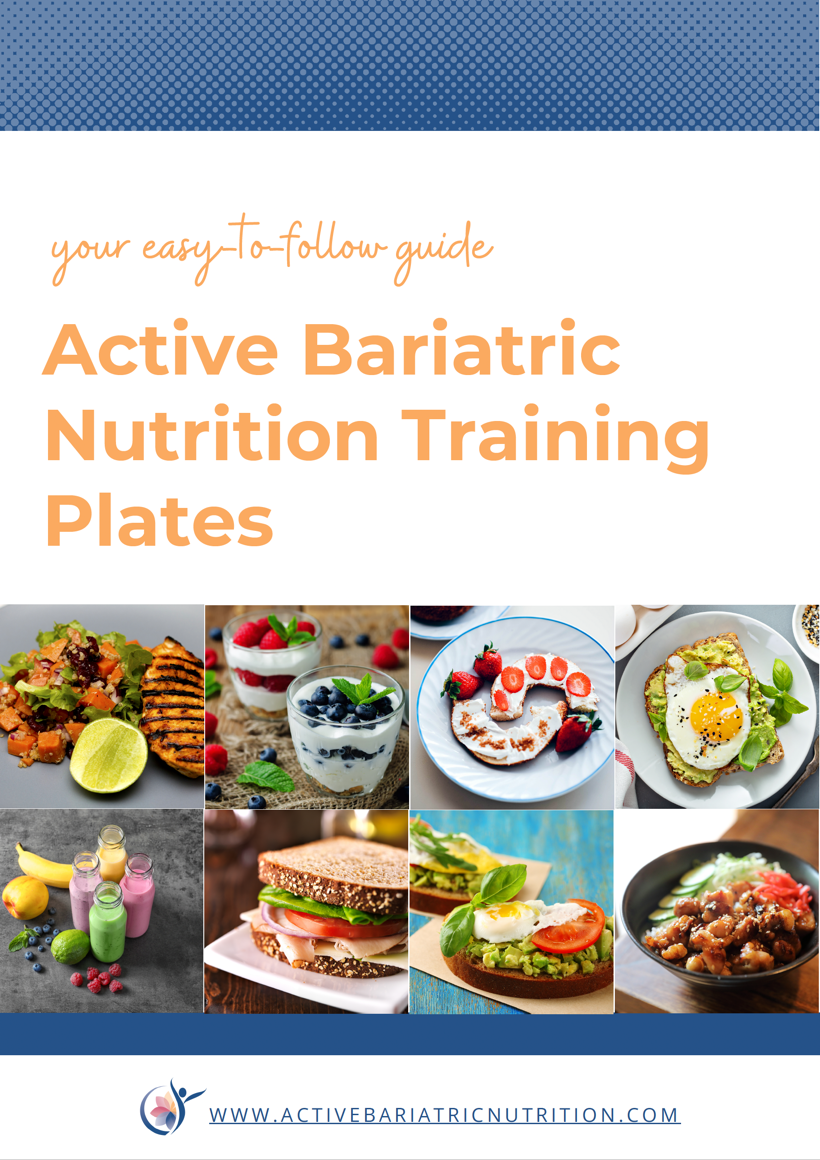
Each of the following options provides ~30 g carbohydrate and 20–40 g protein, aligning perfectly with the 3 Rs.
- Protein shake (the easiest option)
- Ready-to-drink options like Fairlife Core Power (28 g carbs, 26 g protein)
- Low-carb shakes paired with fruit
- Homemade shake with whey protein + banana, berries, yogurt, or oats
- Overnight oats
- ⅓ cup oats, whey protein, ½ cup milk or yogurt, berries
- Eggs + toast combo
- 2 eggs, 1 slice whole-grain toast, 1 Tbsp peanut butter, banana slices
- Lean protein bowl
- 3 oz turkey or chicken, ½ cup quinoa or brown rice, vegetables or fruit
- Cottage cheese with fruit
- ¾ cup cottage cheese topped with berries or peaches
- Greek yogurt bowl
- Greek yogurt with walnuts, chia seeds, and berries
- Protein snack plate
- 2 oz deli turkey, 1 cheese stick, whole-grain crackers, fruit
- Turkey chili
- 1 cup beans + 2–3 oz ground turkey
Final Takeaway
Recovery nutrition isn’t optional—it’s essential.
By consistently focusing on the 3 Rs of Recovery: Refuel, Repair, and Rehydrate, you give your body what it needs to:
- Recover faster
- Train harder
- Build or preserve muscle
- Reduce fatigue and injury risk
Small, intentional choices after your workouts can make a huge difference in your long-term success as a bariatric athlete. You don’t just train hard—you recover smart.
If you’re unsure how to tailor recovery nutrition to your training schedule or surgery type, working with a bariatric sports dietitian can be a game changer. Check out my 1:1 services to see if I could be of assistance to you in meeting your goals!
To learn more, listen to Episode 3 of the Active Bariatric Nutrition Podcast! Click on Podcast tab in menu to listen now!
Fuel your workouts and reach your goals!