
Pre-workout Nutrition for Active Bariatric Individuals
If you’ve ever started a workout feeling motivated—but then hit a wall halfway through—you’re not alone. Many active bariatric individuals struggle with early fatigue, low energy, nausea, or difficulty finishing their workouts. The good news? Your pre-workout nutrition strategy may be the missing piece.
After bariatric surgery, your body digests, stores, and uses fuel differently. That means your pre-workout meal or snack has to be intentional to support better training, performance, and recovery. So let’s discuss why pre-workout nutrition matters for bariatric patients, what to eat, when to eat, and how to fuel for consistent energy.
🚀 Why Pre-Workout Nutrition Is Essential for Bariatric Athletes
Pre-workout fueling plays a major role in sports nutrition after bariatric surgery. Eating the right foods before training helps you:
1. Prevent Early Workout Fatigue
Carbohydrates are the body’s preferred fuel source for both strength training and cardio. Eating carbs before training helps replenish muscle glycogen and supports better endurance, power, and stamina.
2. Stabilize Blood Sugar (Especially RYGB & DS Athletes)
For Roux-en-Y Gastric Bypass (RYGB) and Duodenal Switch athletes, long gaps without food or choosing the wrong pre-workout foods can lead to:
- Low blood sugar
- Dumping syndrome
- Reactive hypoglycemia
Strategic pre-workout fueling helps regulate blood sugar and improves tolerance.
3. Support Hydration and Electrolyte Balance
Hydration is part of proper bariatric workout fueling. Even a 2% fluid deficit can reduce aerobic performance and cognitive function—especially in hot conditions.
4. Reduce Hunger and Improve Workout Quality
Eating before you exercise keeps you comfortable, reduces hunger pangs, and helps you push harder in your training sessions.
🕒 When Should You Eat Before a Workout?
Consistent fueling is one of the most effective ways to support your workouts after bariatric surgery.
Early Post-Op (First 3–6 Months)
If you’re exercising lightly, following standard bariatric diet guidelines may be enough:
- Eat protein first
- Include small amounts of well-tolerated carbohydrates and fats
Working Out After a Meal
Exercising within 30–90 minutes of a balanced meal is a simple way to meet your pre-workout needs, especially for low-intensity or shorter sessions.
If You’re Training 60+ Minutes or 4–5x/Week
Your energy needs increase as your training volume increases. Bariatric endurance athletes often need an additional snack containing carbs + protein to perform well.
🍽 What to Eat Before a Workout (Bariatric-Friendly Options)
Carbohydrates Are Key for Energy
Whether you’re lifting weights or doing endurance exercise, carbs help power higher-intensity movement. Many bariatric patients unintentionally underfuel due to the “protein first” guideline, which can lead to fatigue.
Where the Body Stores Carbs
Understanding carb storage helps explain why fueling matters:
- Muscle glycogen: 300–400 g
- Liver glycogen: 75–100 g
- Blood glucose: ~5 g
After bariatric surgery, these stores are more likely to run low due to smaller meals.
🍽 Pre-Workout Meal (3–4 Hours Before Training)
A balanced, bariatric-friendly pre-workout meal should include:
- 30–45 g carbohydrates (whole grain or low GI)
- 20–40 g protein
- Low fat + low fiber to reduce GI distress
Great options:
- Chicken breast + quinoa or brown rice + fruit
- Greek yogurt with berries and a sprinkle of nuts
- Overnight oats made with yogurt or protein powder
- Cottage cheese + fruit or whole grain crackers
- Protein smoothie with berries
These meals support consistent energy, better digestion, and smoother workouts.
🍌 Pre-Workout Snacks (Within 1 Hour of Training)
As your workout gets closer, choose easy-to-digest carbs or liquids.
Examples:
- ½ banana
- Applesauce pouch
- A few bites of Greek yogurt
- ½ protein-and-fruit smoothie
- G2 or electrolyte drink (with carbs)
- Pretzels or a few crackers
Aim for ~15 grams of carbohydrates within that final hour.
💡 For RYGB & DS athletes: Pair carbs with a small amount of protein or fat to reduce risk of dumping or hypoglycemia.
💧 Hydration Guidelines for Bariatric Athletes
Daily fluid goal:
½–1 oz per pound of body weight so a 150 lb athlete would need 75-150 oz/day fluids.
Before exercise:
- 2–4 hours prior: 16–24 oz
- 15 minutes prior: 8–16 oz
Follow bariatric sipping guidelines:
- Stop fluids 15 minutes before meals
- Resume drinking 30 minutes after meals
Hydration supports performance, reduces dizziness, and prevents early fatigue.
🧺 Bariatric-Friendly Pre-Workout Meal & Snack Ideas
Balanced Meals (Protein + Carbs)
- Greek yogurt + berries
- Whole grain toast or waffle + peanut butter + banana
- Chicken + rice + fruit
- Cottage cheese + fruit
- Overnight oats
- Turkey + cheese + whole grain crackers
- Protein smoothie with berries
Quick Snacks
- Pretzels
- Dried fruit + nuts
- Fig bar
- Applesauce pouch
- Half a banana
These options balance blood sugar control, energy needs, and bariatric tolerance.
✅ Key Takeaway
Pre-workout nutrition is a vital part of your bariatric fitness journey.
It helps you:
- Boost energy
- Improve workout quality
- Stabilize blood sugar
- Support hydration
- Enhance recovery
With the right strategy, you can feel stronger, more confident, and better fueled for your training goals after bariatric surgery.
To learn more about pre-workout nutrition, check out episode 2 of the Active Bariatric Nutrition podcast!
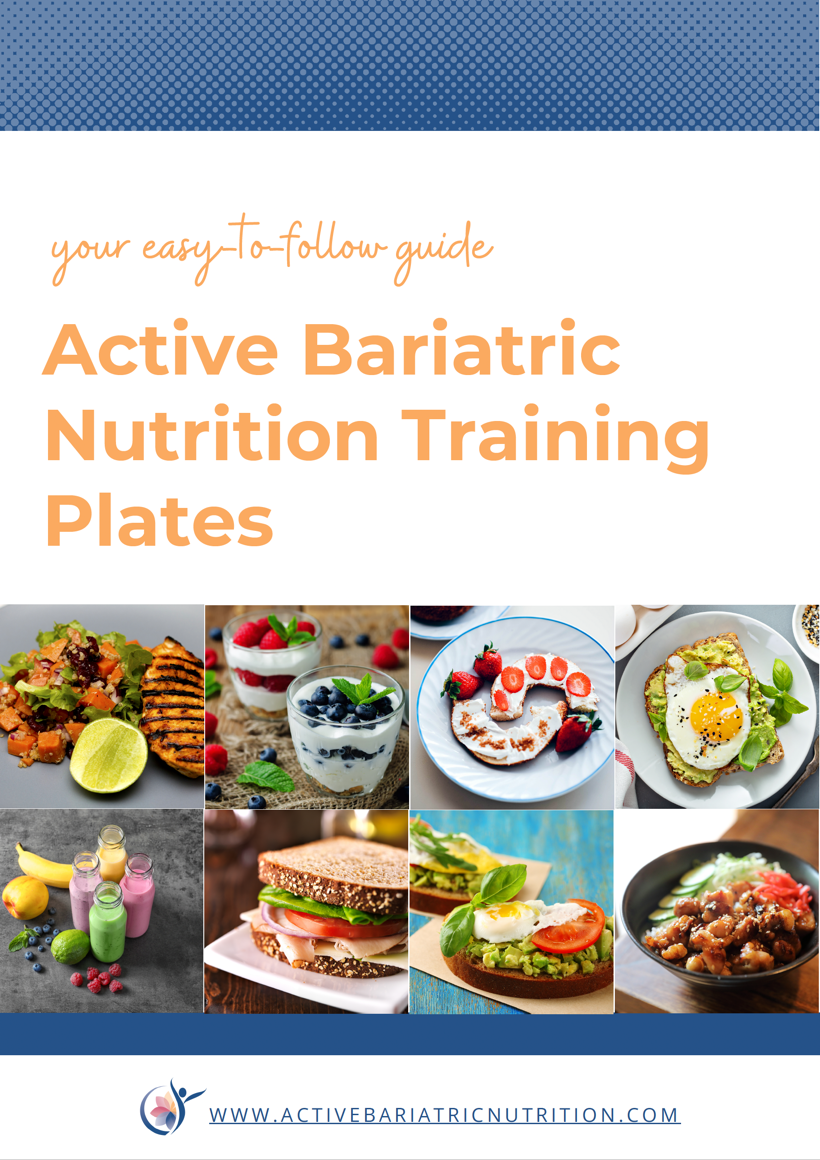
Fuel your workouts and reach your goals!